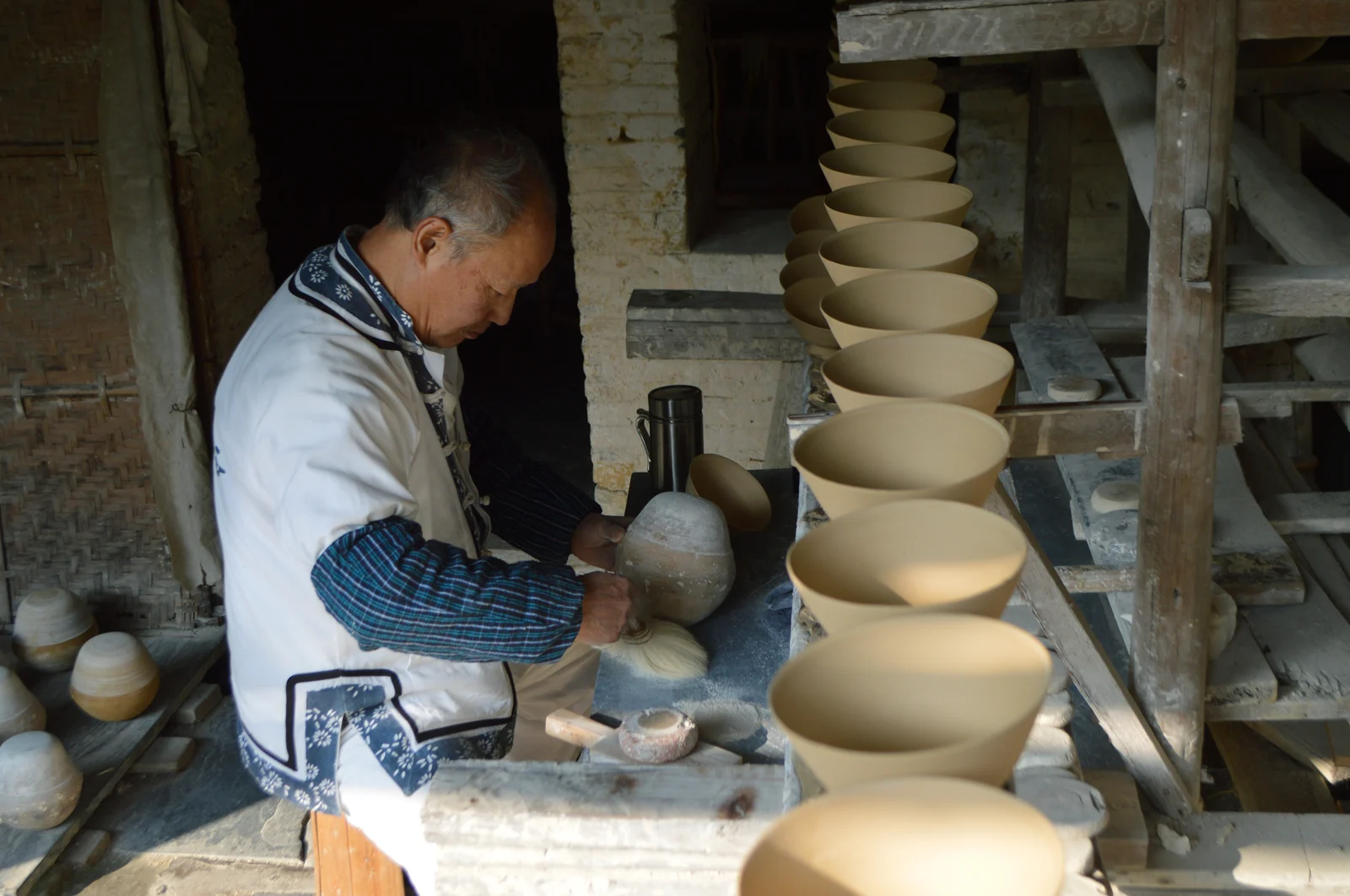
Jingdezhen Ancient Kiln Folk Custom Expo Park · Handmade porcelain scene
Approach a place with a question in mind
From clay to finished piece—what knowledge stays in the hands?
A porcelain shape comes from countless small decisions. Approach public displays to see how hands respond to clay—and listen to how craft continues to be used.
The traditional workshops and kiln displays at Jingdezhen Ancient Kiln Folklore Expo Zone offer a concrete starting point to understand handmade porcelain. Focus here is on processes and human collaboration: observe, ask questions, then decide if you’d like to join a scheduled hands-on session. Public displays aren’t equivalent to private studio visits.
Ideal for lovers of ceramics, objects, and traditional crafts, as well as families wanting to teach children about materials and labor.
From Observation to Understanding
Three Things Worth Slowing Down For on This Journey
0 1Workshops and artisans
Start with one process
In open displays, pick one visible step—like shaping, trimming, or decorating—and pay attention to hand speed, tools, and changes in the piece. Production and display run at different paces—don’t expect all steps to be visible at once.
Try This Observation
Look at a piece being worked on—identify where it might still change.
0 2Workshops and artisans
Understand roles, and appreciate patience
Learn how one object passes through multiple skilled stages via workshop and kiln displays. If staff are open to talk, ask about materials, practice, and daily routines—don’t assume a master will appear.
Try This Observation
In one piece, which choices come from form, and which from material or fire?
0 3Workshops and artisans
Let hands-on experience become another way of understanding
Optional hands-on sessions (like wheel-throwing or painting) can be booked separately. The goal is to grasp the steps—not to guarantee a professional-quality result in a short time. Firing, pickup, and shipping are confirmed separately.
Try This Observation
After doing a simple action, look back at how skilled artisans maintain consistency.
Go at Your Own Pace
Turn this experience into your own private journey
Below are suggested steps—can be done separately or woven into your existing trip. Duration, transport, and costs depend on travel date and group needs.
First confirm public viewing hours and daily displays at the ancient kiln site—then choose your favorite craft focus.
Focus on a few key steps—allow time for questions and rest.
Only add hands-on activities if you’ve already confirmed a course. Otherwise, connect with existing intangible heritage topics.
Workshop access, courses, materials, and fees are confirmed independently. Permission required before filming artisans or close observation. Do not touch raw pieces or tools. No promises on master meetings, kiln openings, or taking home fired pieces the same day.
Before you travel, you might wonder
About This Journey
How is this different from the Eastern Aesthetics & Intangible Heritage series?
That series explores four traditional arts broadly. This one zooms in on Jingdezhen’s processes, work culture, and the relationship between people and objects—complementary perspectives.
Can I enter a private studio?
You can express interest, but it depends on the studio’s willingness to host. This experience starts with public displays.
Your interests shape the depth of the journey
Let local stories shape your personal journey.
Tell us your travel date, companions, and the question you’d most like to explore. We’ll adjust pace and combinations accordingly. We’ll tailor the experience based on what’s publicly accessible. Let’s start planning.
Tell me about my People & culture journey ↗This page offers travel inspiration, not confirmed itineraries or quotes. Confirm bookings, exhibitions, and opening times before departure.Sources & Image Credits +
Basic info verified: November 2026. On-site openings and events still require confirmation closer to travel date.