Return to homepage ↗
English
English简体中文繁體中文Bahasa MelayuBahasa IndonesiaภาษาไทยTiếng Việt
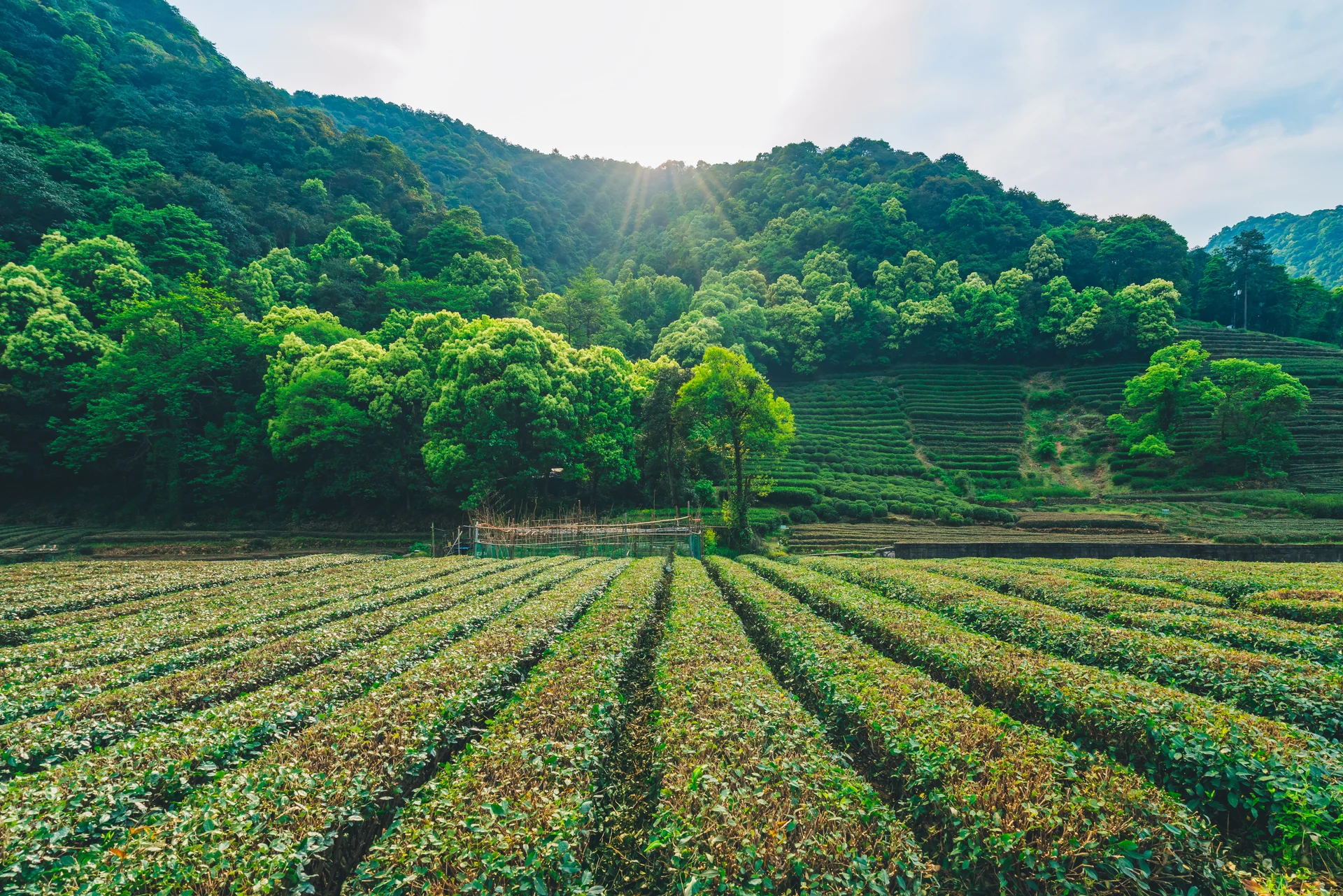
Slopes and tea trees in Hangzhou · Longjing Tea Gardens

Discover China / Oriental aesthetics / Tea culture

In a cup of tea
Meet China

From a mist-shrouded mountain forest to a quiet tea table,
through terroir, craft, and human connection—slowly learn to appreciate tea in China.

Step into four tea regions↓
Longjing Tea Gardens · Hangzhou

Not just tasting tea, but knowing where it comes from

From tea mountain to tea table,
give time to one cup of tea

The story of tea begins in the land and continues in human hands. Cultivation, harvesting, processing, brewing, and sharing make tea a thread connecting daily life across China.

We’ve selected four tea regions: the Jiangnan tea gardens of Hangzhou, the rock teas of Wuyi Mountains, the Tieguanyin of Anxi, and the ancient tea forests of Jingmai Mountain. Don’t rush to memorize names—first get close to the origin, then sit down and feel how a single cup changes.

See how you can experience tea culture ↘
Meijiawu Village, Hangzhou · Longjing Tea Gardens

0 1Zhejiang · Hangzhou / Green tea and village life

Hangzhou · Longjing

From West Lake into the hills, find a fresh cup

Leave the lakeside and walk along paths beside the tea gardens. Tea trees follow the slopes; villages and forests make the origin of a cup of tea feel close and real.

Villages like Longjing and Meijiawu lie within the traditional West Lake Longjing production area. Tea gardens and villages are intertwined, and tea-making and drinking remain part of daily life in Hangzhou.

How can you experience it?

You can plan slow walks along tea garden paths and Longjing tastings. Picking and observing hand-frying require advance confirmation based on tea season, weather, and farmers’ production schedules.
Ideal for: If you enjoy Jiangnan scenery, green tea, and relaxed travel
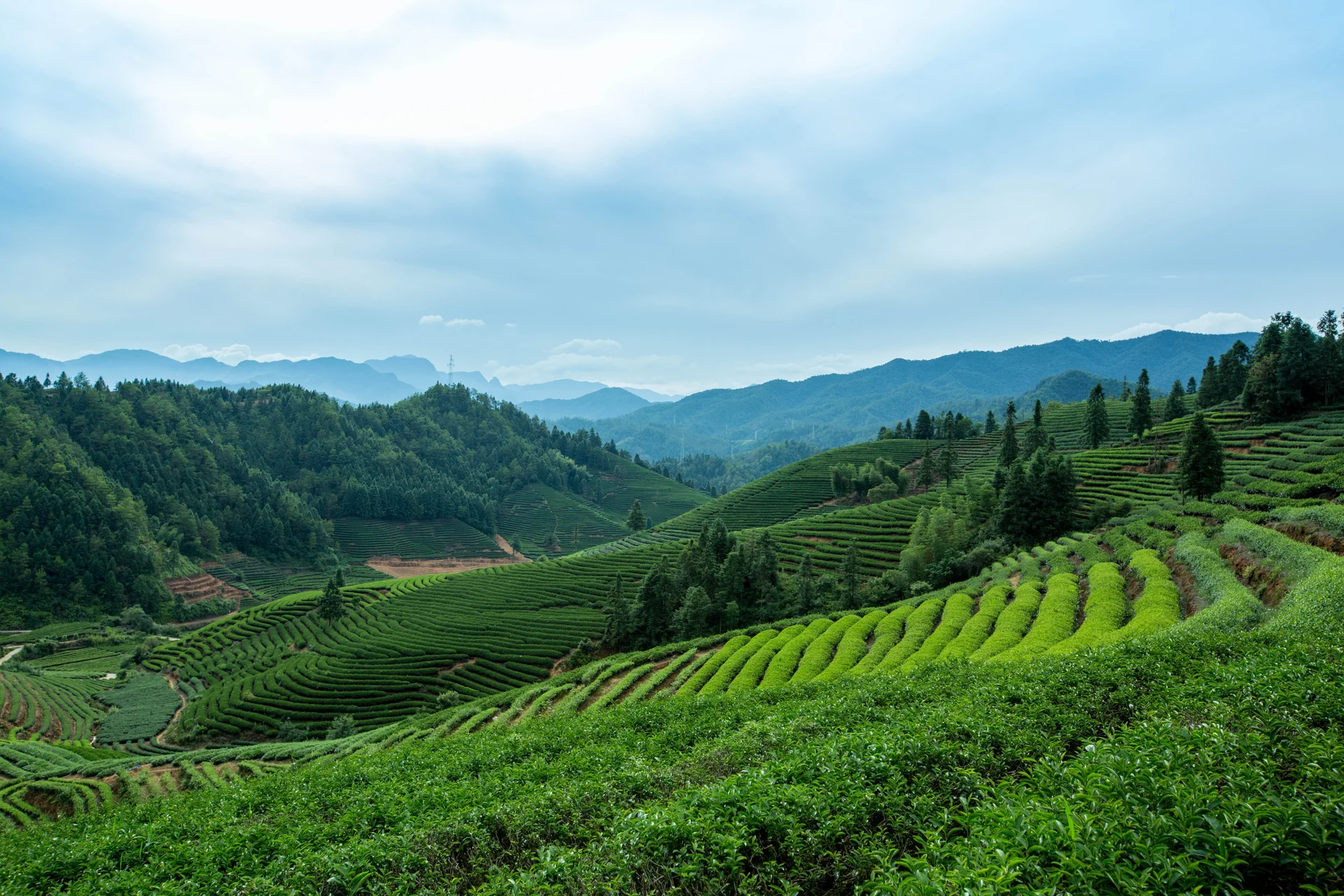
Wuyi Mountains · Tea field landscape

0 2Fujian · Wuyi Mountains / Oolong tea and mountain scenery

Wuyi Mountains · Rock tea

The mountain’s essence resonates in the cup

First look at the mountains, then turn to tea. Let your gaze shift from tea fields to tea table—letting landscape and craft connect in quiet tasting.

Wuyi rock tea is an oolong tea. Its traditional processing includes withering, shaking, rolling, and roasting—central to understanding local tea culture.

How can you experience it?

You can discuss tea field walks and rock tea tastings, comparing aromas and flavors across samples. Observing production or meeting tea masters requires prior booking—and cannot be guaranteed to coincide with active production.

Ideal for: If you love mountain views, roasted aroma, and tea-making techniques
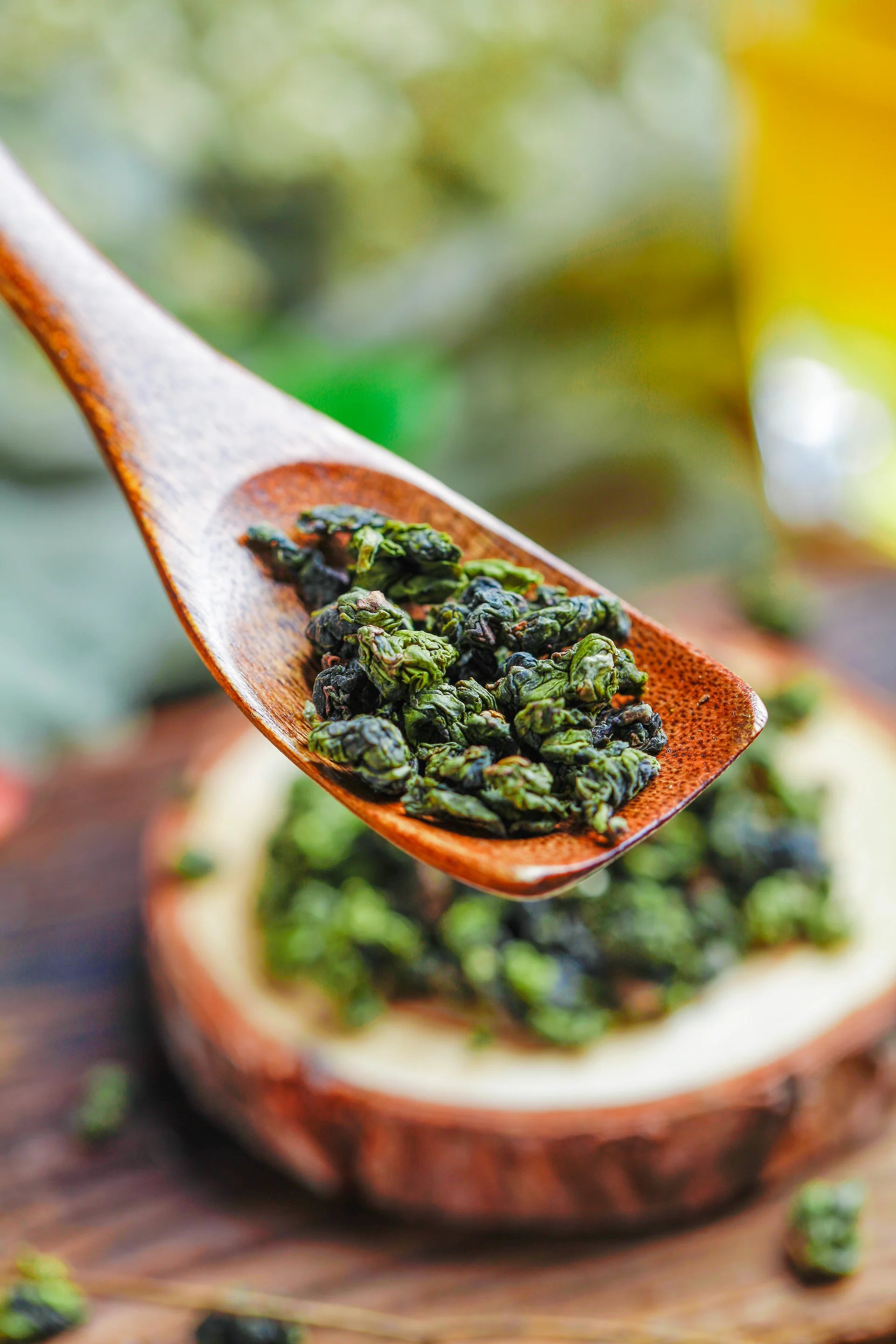
Close-up of finished Tieguanyin tea

0 3Fujian · Anxi / Oolong tea and craftsmanship

Anxi · Tieguanyin

A single leaf carries the rhythm of daily life

From hillside tea trees to the teacup, the story rests in human hands. Listen to how tea is made, then describe what you taste.

Anxi is renowned for Tieguanyin tea culture. Tieguanyin processing is included in China’s national intangible cultural heritage list as part of 'Traditional Tea Processing Techniques and Related Customs.'

How can you experience it?

You can plan visits to tea-producing areas, learn gongfu-style brewing, and enjoy Tieguanyin tastings. Specific tea farms, tea masters, and hands-on activities depend on host confirmation and production schedules.

Ideal for: If you enjoy tea village life, brewing methods, and craft exchanges
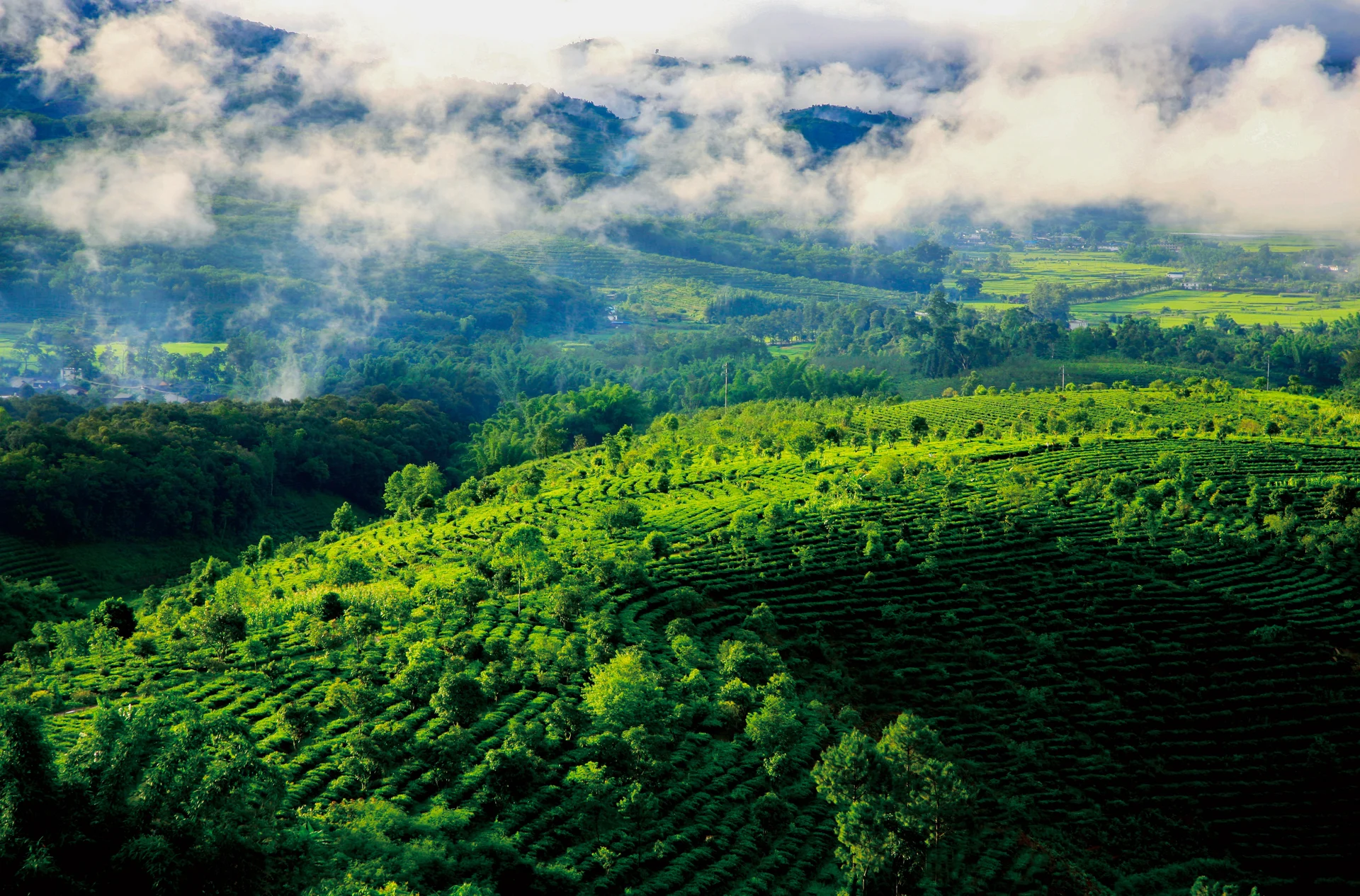
Yunnan · Jingmai Mountain · Tea gardens and mountain landscape

0 4Yunnan · Lancang (Pu’er) / Ancient tea forests and community life

Jingmai Mountain · Ancient tea forest

Enter the forest, understand tea and people

Observation begins beyond the tea trees: notice forest layers, village life, and how generations live with the forest.

The Pu’er Jingmai Mountain Ancient Tea Forest Cultural Landscape is a UNESCO World Heritage Site. Local tradition grows tea under forest canopy—integrating tea forests, forests, and villages into a living cultural landscape sustained over time.

How can you experience it?

You can discuss guided walks in approved ancient tea forest areas, learning about village culture, and tasting local tea. Community visits must respect local wishes; no picking from ancient tea trees or entering restricted zones.

Ideal for: If you enjoy forests, cultural landscapes, and slow village walks

From beginner to deeper appreciation

Approach tea culture at your own pace

01

Walk the tea mountain

Begin on permitted tea garden paths. Hear about the origin, observe tea plants, terrain, and villages. Adjust walking routes based on fitness and weather.

02

Recognize craftsmanship

Learn about harvesting and processing through explanations. On-site observation or hands-on sessions require advance confirmation. Picking and frying depend on tea season, weather, and production schedules.

03

Sit and drink

At a scheduled tea session, learn simple brewing and compare aromas and tastes. You may taste lightly—or just smell and listen.

04

Meet people

With the host’s willingness, exchange thoughts on tea and local life. Meetings with tea masters and community visits require prior arrangement. Always ask permission before photographing.

Picking happens at certain times, and visits are by appointment. Spring tea is not available year-round; even during harvest season, access depends on confirmation from tea farms or workshops. Images shown are landscape records—not necessarily what you’ll see during your trip.

Start from your interests

Which tea region matches your interest?

The four tea regions are in Zhejiang, Fujian, and Yunnan—best planned around your destination. Tea mountain walks involve sloped terrain and changing weather; adjust according to your fitness level. Tea types, seasons, and processing vary—choose your tasting style based on personal preference.

Fully Customisable · Travel at Your Own Pace

Where would you like to start?
Let us walk with you to its origins

Tell us which tea you like, your travel date, and who you’re traveling with.
We’ll tailor your journey based on your interests, walking pace, and city itinerary.

Plan my tea culture journey ↗Experiences focus on cultural understanding and tasting—no shopping arranged. Tea farms, tea masters, workshops, and hands-on activities require confirmation via reservation.
Sources and image rights+

Tea culture information verified as of November 2026; viewing suggestions are original content by China Guide.

UNESCO · Traditional Tea Processing Techniques and Related Customs (China) ↗

Image credits

Hangzhou · Longjing :Meijiawu Tea Gardens / Xiao A (ID:453504) / VRF; the current account does not have enterprise commercial authorizationAction: Zoom, WebP conversion, and display cropping 。

Wuyi Mountains · Rock tea :Wuyi Mountains · Tea field landscape / 699pic.com user (ID:17182119) / VRF; the current account does not have enterprise commercial authorizationAction: Zoom, WebP conversion, and display cropping 。

Anxi · Tieguanyin :Close-up of finished Tieguanyin tea (replacing incorrect tea mountain image) / Bao Bao (ID:1124289) / VRF; the current account does not have enterprise commercial authorizationAction: Zoom, WebP conversion, and display cropping 。

Jingmai Mountain · Ancient tea forest :Yunnan · Jingmai Mountain / Frank Zheng (ID:801516) / VRF; the current account does not have enterprise commercial authorizationAction: Zoom, WebP conversion, and display cropping 。

Custom Journey

Do not enter sensitive data such as passport details, payment information, or medical records.