
Return to homepage ↗
English
English简体中文繁體中文Bahasa MelayuBahasa IndonesiaภาษาไทยTiếng Việt
Artisan decorating porcelain blanks at a Jingdezhen ceramics workshop

Discover China / Oriental aesthetics / Intangible heritage

In a pair of hands
Encounter tradition

From a melody to a silk thread,
approach living crafts—and the people who keep them alive.

Step into four intangible heritages↓
Ceramic workshop · Jingdezhen
Eastern aestheticsGardensAncient architectureTeaIntangible cultural heritageThis article · Intangible heritage

From the object to the craft, from the craft to the person

Heritage isn’t just in the past,
it’s also happening today

Intangible heritage is knowledge and skills practiced, passed down, and continuously renewed in everyday life. It might be a song, a needlework technique, or a way of working with clay or paper. Beyond the artifact, there are the people who carry it and the places where it lives.

We begin with four traditions: Kunqu opera, Suzhou embroidery, handmade porcelain in Jingdezhen, and traditional Xuan paper making. We weave watching, listening, and simple practice into your journey—giving more time to the patience behind these crafts.

See how you can approach heritage ↘

Four intangible heritages · Four encounters with tradition

Four heritages, four encounters with tradition

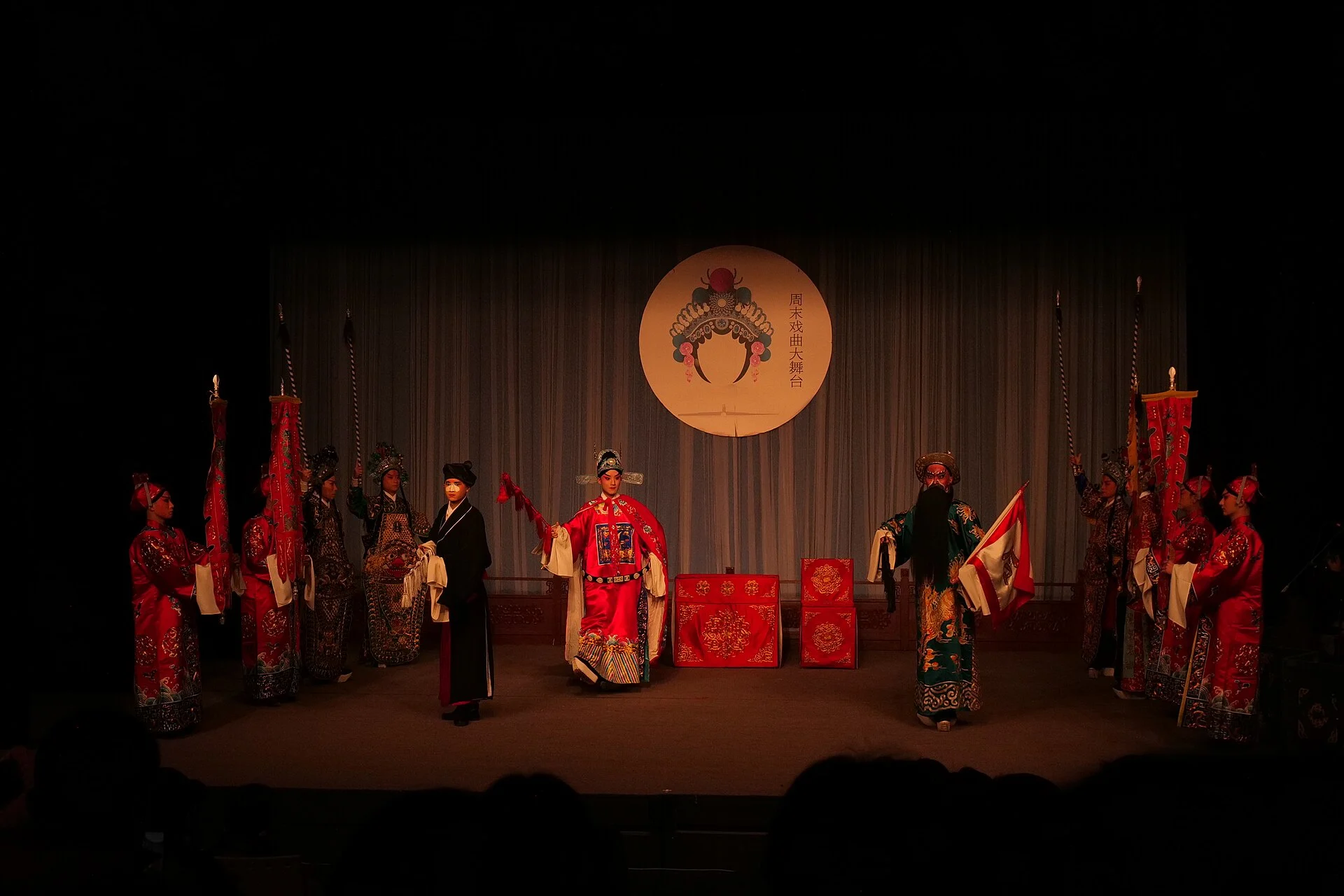
Kunqu Opera performance · Hangzhou Grand Theatre

0 1Suzhou and Kunshan, Jiangsu Province / Voice and movement

Kunqu Opera

One turn, one song—story takes shape

Don’t rush to understand every word. Watch the actor’s glance, step, and listen to how melody and music unfold emotion gradually.

Kunqu Opera has deep roots in Suzhou and Kunshan. Blending singing, spoken lines, movement, and music, it is listed as a Masterpiece of the Oral and Intangible Heritage of Humanity by UNESCO.

How can you experience it?

You can discuss guided performances—learn the plot and characters first, then watch a public show. Play details, showtimes, and subtitles depend on theatre arrangements. Movement workshops or artist interactions need separate confirmation.
Ideal for: If you enjoy opera, literature, and stage art
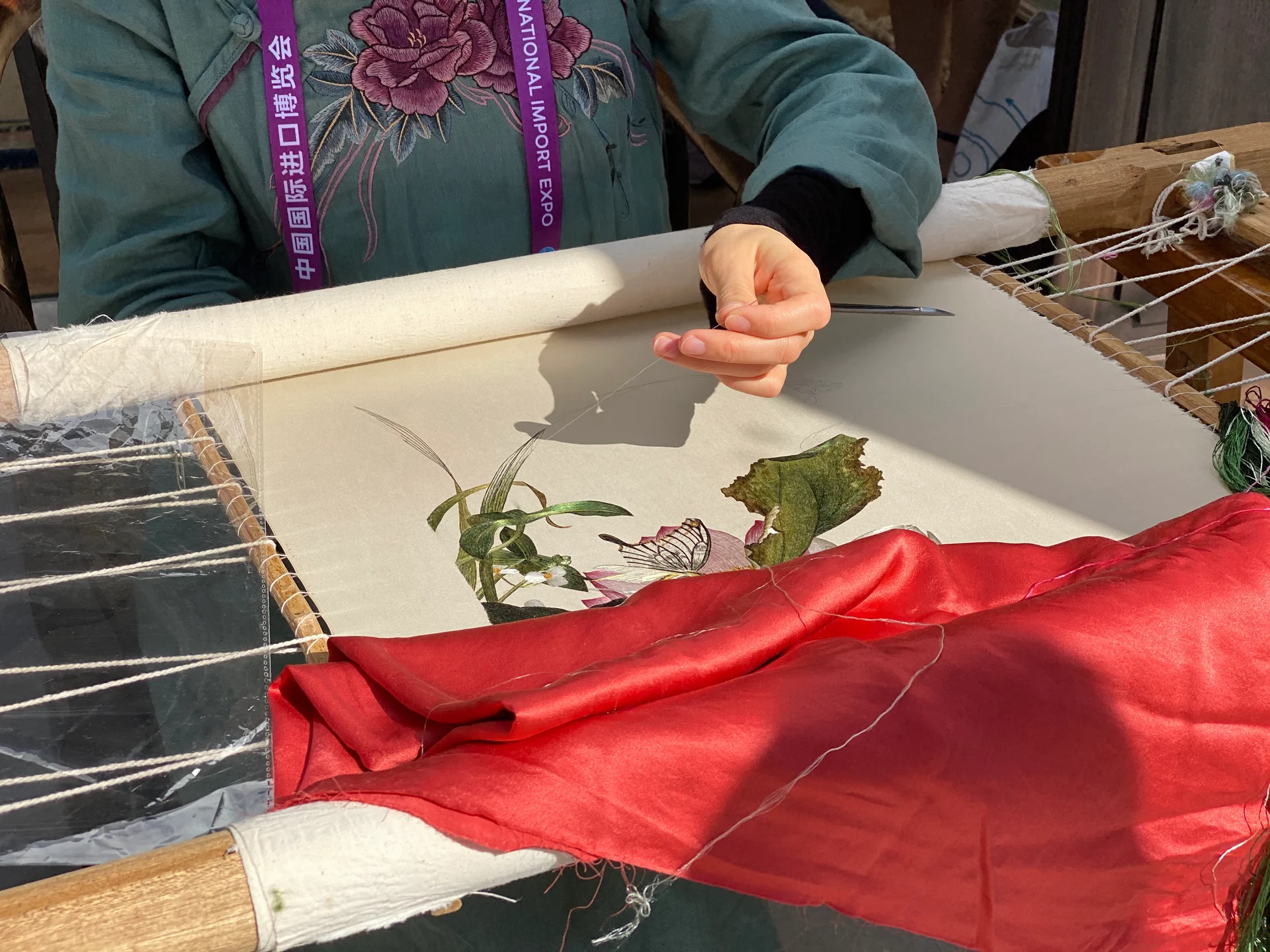
Suzhou embroidery close-up demonstration · Original photo from 699pic.com, shot in Shanghai

0 2Jiangsu (Suzhou City) / Needle and patience

Suzhou Embroidery

Slowly stitch light and color into silk

From afar, it’s a picture; up close, you see the direction of each thread. Depth comes from subtle choices in each stitch.

Suzhou embroidery is a national intangible cultural heritage project, using silk and intricate stitches to create images and depth. The knowledge of splitting threads, matching colors, and handling needles is also passed down.

How can you experience it?

You can plan viewing of artworks and basic embroidery workshops. Discuss studio visits based on interest. Specific embroiderers, classes, and materials require booking confirmation. Beginner sessions cover only suitable introductory steps.

Ideal for: If you enjoy textiles, color, and quiet handcrafts
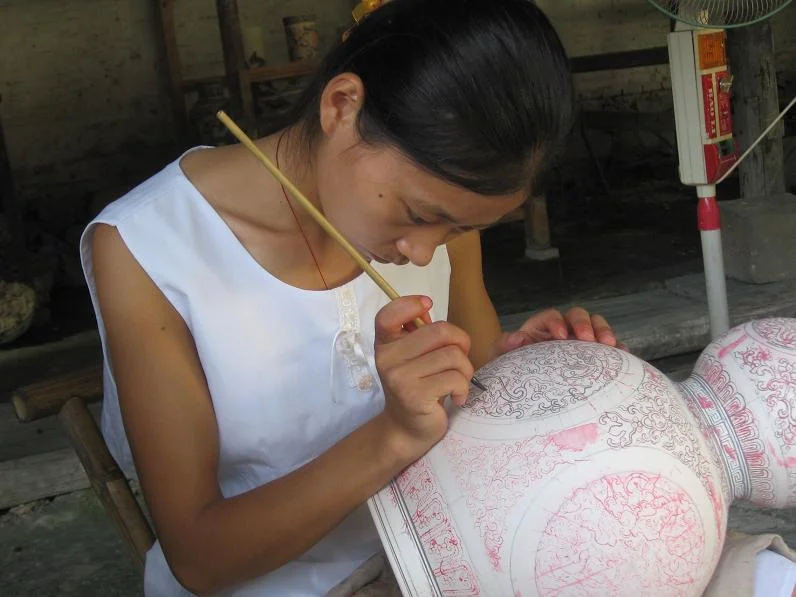
Traditional porcelain workshop in Jingdezhen · Glazing and decorating pottery

0 3Jingdezhen, Jiangxi Province / Clay and fire

Handmade Porcelain Craftsmanship in Jingdezhen

From a lump of clay to a vessel

Behind one piece, often many hands. Follow the path from clay to body, glaze, and firing—watch how form emerges step by step.

Handmade porcelain craftsmanship in Jingdezhen is a national intangible cultural heritage project, involving interconnected steps like shaping, trimming, decorating, glazing, and firing—showcasing fine professional division of labor.

How can you experience it?

You can discuss process tours and book workshops for wheel-throwing or painting. Firing time, delivery, and shipping costs need prior confirmation; we cannot guarantee finished pieces will be ready the same day.

Ideal for: If you enjoy vessels, ceramics, and hands-on creation
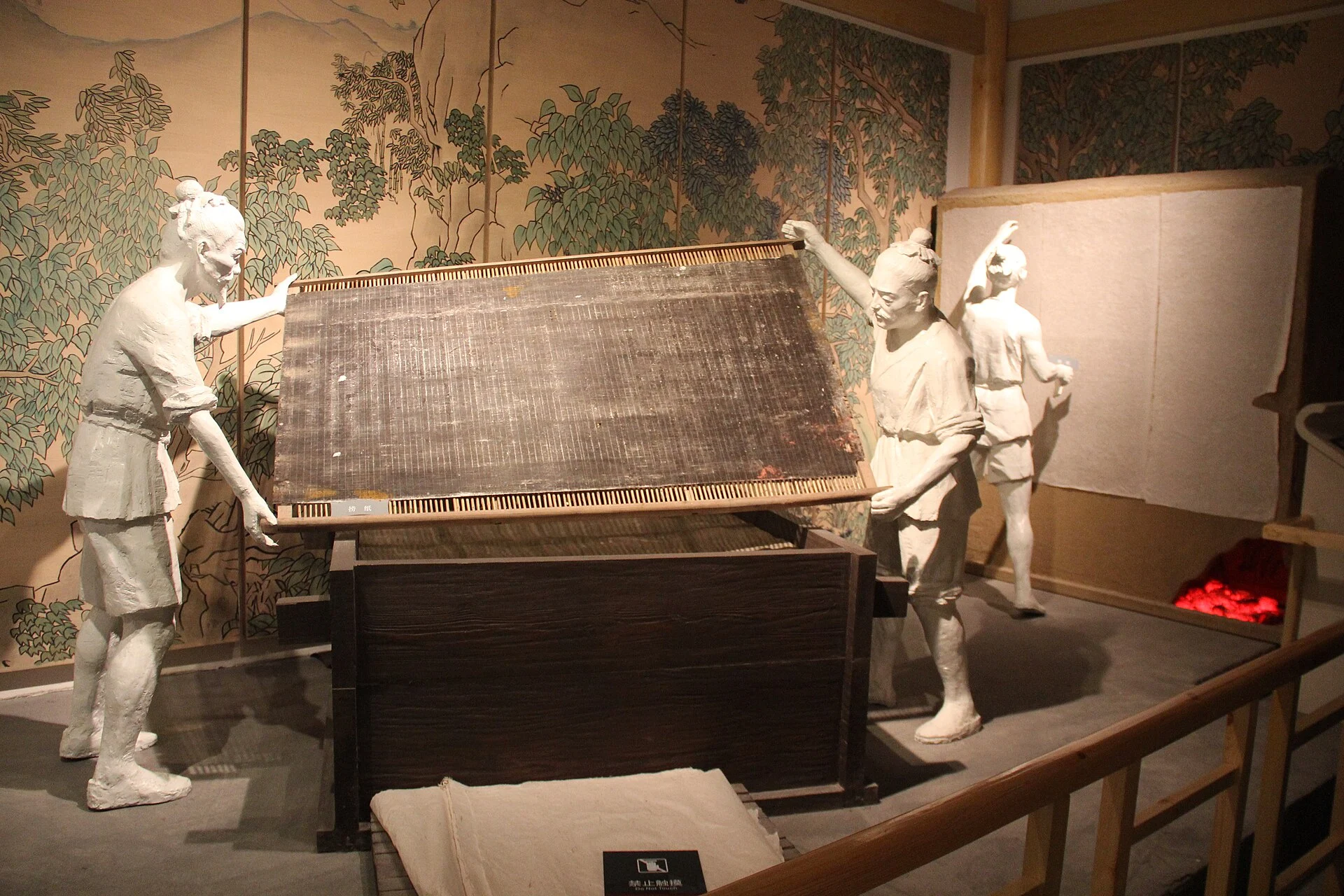
Xuan paper making process exhibition at Anhui Museum

0 4Jingxian County, Anhui Province / Fiber and writing

Traditional Xuan Paper Making

A sheet of paper holds water and time

First see where the paper comes from, then watch ink fall. Fiber, water, and human effort combine to create rich texture in a thin sheet.

Traditional Xuan paper making is centered in Jingxian County, Anhui. Using paper mulberry bark and rice straw, it undergoes multiple manual processes and is inscribed on the UNESCO Representative List of the Intangible Cultural Heritage of Humanity.

How can you experience it?

You can discuss visiting the exhibition, observing open production stages, and trying paper-making or ink experiments. Hands-on tasks like paper-lifting require venue confirmation. Short sessions don’t equal completing an entire sheet of Xuan paper.

Ideal for: If you enjoy paper, calligraphy, and traditional materials

First understand, then try

Four ways to meet a craft

01

Understand a little

Before watching a performance or seeing a craft, learn the story and characters—or hear a brief introduction. Get a starting point, then explore with curiosity.

02

Notice the details

Watch movements, stitching, trimming, or paper texture. Observation is limited to open areas; always ask before photographing.

03

Try your hand

Choose beginner-friendly activities based on age and interest. Materials, tools, final handling, and fees will be explained during booking.

04

Allow time

Give space for the artisan’s work. Interactions and visits depend on the host’s willingness. Experience pace follows the schedule provided.

Watching a performance or trying a stitch doesn’t mean mastering the craft. We value the process. Performance schedules, master availability, workshop production, and finished product delivery all depend on confirmed bookings.

Start from your interests

Which tradition makes you want to stay longer?

The four traditions are in Jiangsu, Jiangxi, and Anhui—suitable for planning around your base city. Kunqu Opera and Xuan paper making are listed in UNESCO’s Intangible Heritage list; Suzhou embroidery and Jingdezhen porcelain are documented on China’s National Intangible Cultural Heritage website. Different listings apply.

Fully Customisable · Travel at Your Own Pace

Whose story would you like to hear?
Let us begin with a craft

Tell us which intangible heritage you’re interested in, your travel date, and who you’re traveling with.
We’ll tailor your journey based on your interests, walking pace, and city itinerary.

Plan my intangible heritage journey ↗No shopping included. Performances, workshops, artisans, and experience content require booking confirmation. Meetings with heritage bearers are not guaranteed.
Sources and image rights+

Basic heritage information verified as of November 2026; viewing suggestions are original content by China Guide.

Image credits

Kunqu Opera :Kunqu Opera Performance at Hangzhou Grand Theatre (backup banner) / Yushuo Tina / CC BY-SA 4.0Action: Zoom, WebP conversion, and display cropping 。

Suzhou Embroidery :Suzhou Embroidery — recognized as National Intangible Cultural Heritage (Shanghai jurisdiction) / Photo from 699pic.com (User ID: 17653226) / VRF; the current account does not have enterprise commercial authorizationAction: Zoom, WebP conversion, and display cropping 。

Handmade Porcelain Craftsmanship in Jingdezhen :Porcelain Workshop, Jingdezhen, Jiangxi, China.jpg / No machine-readable author provided. Asteiner assumed (based on copyright claims). / CC BY 2.5Action: Zoom, WebP conversion, and display cropping 。

Traditional Xuan Paper Making :Anhui Museum · Exhibition on Xuan Paper Making Craft (backup; no live production) / Gary Todd from Xinzheng, China / CC0Action: Zoom, WebP conversion, and display cropping 。

Custom Journey

Do not enter sensitive data such as passport details, payment information, or medical records.